Read, write, and receive premium articles, reader support, and much more!
Join Prof.Peter Paper Trails ★
Why a ‘Bullying Politician’ is a Pleonasm
While the spotlight is on Covid and nitrogen, the global digital rage industry is quietly overheating the real climate. The De Witt brothers already knew in 1672 how this would end.

Why a ‘Bullying Politician’ is a Pleonasm.
What We Should Do About It?
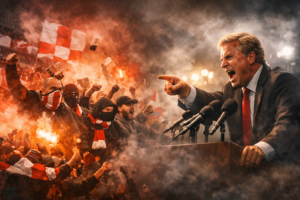
It has become almost cliché to describe a politician as a bully. In fact, the phrase “bullying politician” is so common that it borders on pleonasm—a redundancy akin to saying “free gift.” But what does this say about our expectations of those who hold public office, and more importantly, about ourselves as voters and citizens?
Let’s start with what bullying actually means. Bullying is unwanted, repeated, and aggressive behavior that involves a real or perceived power imbalance. It’s marked by intent to harm, repetition, and—crucially—an abuse of power. This isn’t limited to the schoolyard; it happens in workplaces, online, and, yes, in the halls of government.

When we reflexively expect politicians to be bullies, we’re acknowledging a grim reality: our political culture often rewards those who wield power through intimidation, exclusion, and manipulation. The current Trump archetype, for example, has taken on a powerful social meaning, where both Trump and his critics shift the focus from the content of ideas to the character and personality of political figures.
As a result, voters who seek substantive, policy-based discussions often feel politically homeless in the current American landscape. Campaigns turn into spectacles of ridicule. Debates devolve into shouting matches. Policies are sold not on their merits, but through fear and division. The abuse of power isn’t an exception—it’s become the rule.

History offers us a cautionary tale. In the Netherlands, the tragic fate of the De Witt brothers in 1672 stands as a hallmark of conspiracy, framing, and political bullying. Two respected statesmen were scapegoated, lynched, and gruesomely murdered by a mob, with elite manipulation and public hysteria fueling the violence. Their story serves as a stark reminder that when societies tolerate bullying and political scapegoating—when conspiracy and framing are allowed to shape public perception—catastrophic consequences can follow.
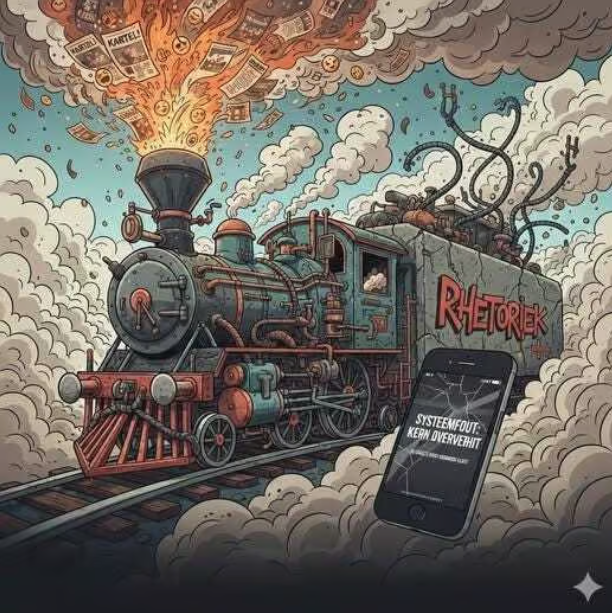
This is not merely a relic of the past. The mechanisms that destroyed the De Witts persist in modern forms: media manipulation, character assassination, and the normalization of aggression in political culture. If we fail to learn from history and continue down this path, we risk repeating cycles of injustice. The lesson is clear: vigilance, critical thinking, and moral courage are essential. We must insist on civility and integrity, lest we find ourselves once again on a destructive schedule.
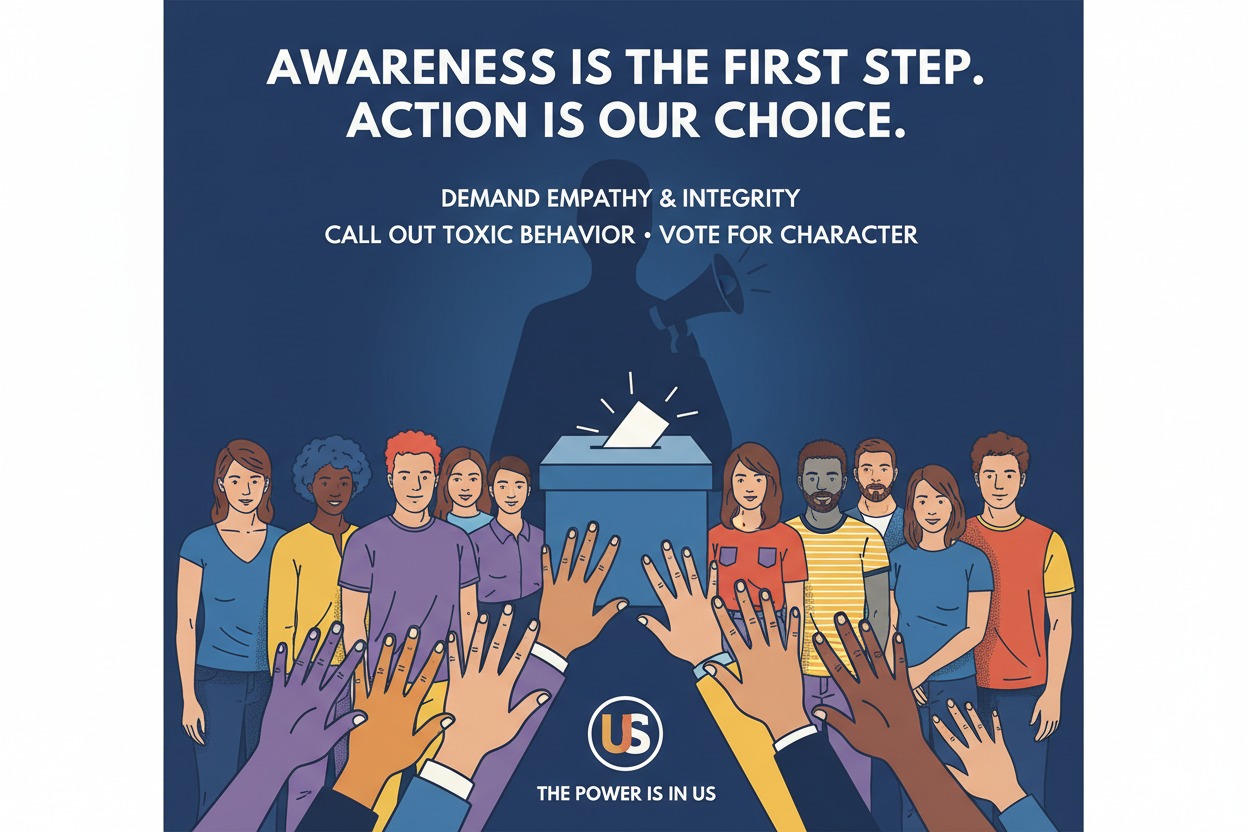
But does recognizing this reality do anything to change it? That depends on us. Awareness is a necessary first step, but it’s not enough. We must decide that bullying, in any form and from any leader, is unacceptable. We have the power to demand better—to support candidates who lead with empathy and integrity, to call out toxic behavior among our peers, and to vote not just for policies, but for the character of those who represent us.
Ultimately, the normalization of bullying in politics is a reflection not only of those in power but of what we tolerate as a society. The question is not whether more needs to be said, but whether we are ready to let this awareness change our actions—as citizens, as peers, and as voters.
Will we continue to accept bullying as the price of leadership, or will we insist on something better? The answer lies with each of us.
Importantly, in our current age, being illiterate or uninformed is no longer a valid excuse for resorting to bullying or tolerating it. With AI tools and digital resources widely available, anyone can seek understanding, express their message in a civilized manner, and engage constructively—even in disagreement. If technology can help us communicate with more clarity and empathy, then the need to bully, whether in politics or everyday life, should be obsolete. Now more than ever, we have the means to choose civility and thoughtful discourse over aggression and power plays.
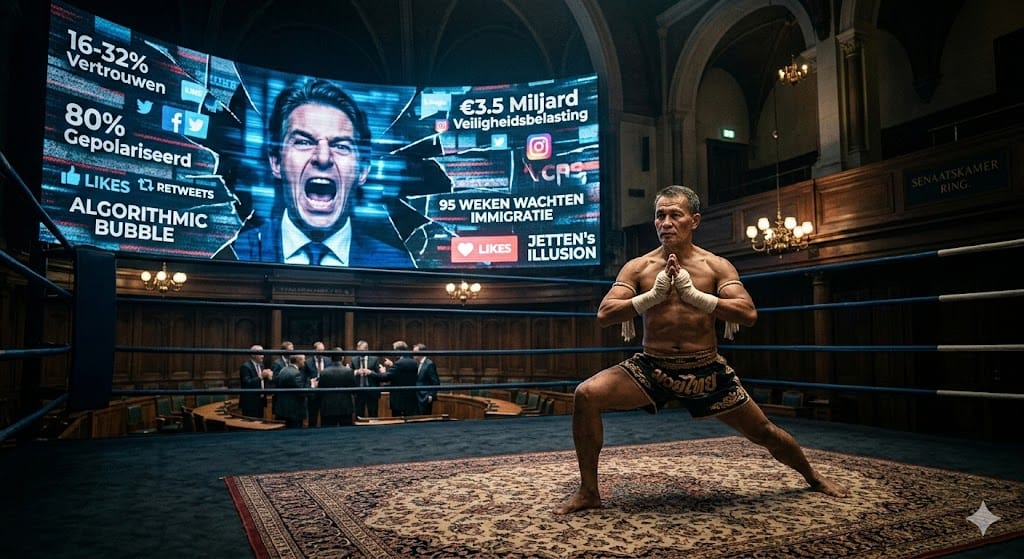
This is a provocative and timely critique of modern political discourse. By framing “bullying politician” as a pleonasm, pointing to a cynical shift in the social contract: the idea that we no longer see aggression as a flaw in a leader, but as an inherent job requirement.
Here is a breakdown of the core arguments presented and the psychological/societal implications they carry.
The Normalization of Political Aggression.
The piece suggests that we have moved past seeing bullying as a “scandal” and now view it as a “strategy.” This transition has several cascading effects on the electorate:
- Political Homelessness: When the “archetype” of leadership shifts toward intimidation, voters who value nuance and policy-driven debate are left without a tribe.
- The Spectacle over Substance: Campaigns become “shouting matches” where the loudest voice—rather than the most viable solution—wins the news cycle.
- Civic Exhaustion: The psychological toll is significant. Constant exposure to manipulation and fear-based rhetoric leads to disillusionment, isolation, and depression among citizens.
Leadership Styles: A Comparative Look.
| Feature | The “Bully” Archetype | The “Civic” Leader |
| Power Dynamic | Relies on a perceived or real imbalance. | Relies on collaboration and consensus. |
| Goal | To harm or silence opposition. | To solve systemic problems. |
| Communication | Manipulation, ridicule, and fear. | Clarity, empathy, and integrity. |
| Outcome | Polarization and civic withdrawal. | Engagement and social cohesion. |
The “No Excuse” Era: Technology as a Bridge.
One of the most compelling points in this piece is the role of AI and digital resources. In the past, one might have argued that aggressive rhetoric was a defense mechanism for the “uninformed” or those unable to articulate complex frustrations.
Today, that excuse is eroding. With tools that can help bridge communication gaps, simplify complex policies, and foster civil tone, the choice to remain “toxic” becomes a deliberate preference rather than a lack of capability. Technology has effectively removed the “language barrier” of civility.
The Verdict: A Choice, Not a Fate.
The author’s conclusion hits a “grounded AI” chord: Democracy is a reflection of what we tolerate. > “We risk sacrificing not just the quality of our leadership, but the mental and civic well-being of the very people democracy is meant to serve.”
If we treat bullying as “the price of admission” for leadership, we aren’t just choosing a candidate; we are choosing a toxic environment for ourselves. The transition from awareness to action requires voters to stop rewarding “the spectacle” and start prioritizing character as a non-negotiable policy point.
Given that technology now makes informed, civil discourse more accessible than ever, do you think the persistence of political bullying is due to a lack of better tools, or is there a deeper human “hunger” for the spectacle that technology can’t fix?
SYSTEM NOTICE & DISCLAIMER
Prof. Peter exercises the utmost care; all articles, research, and source documents are authentic unless explicitly stated otherwise.
None of the publications shall be interpreted as medical, psychological, or professional advice; they aim to provide profound insights rather than absolute truths.
In case of dispute, please email mohd@profpeter.online and we will sort it out in good faith.
Visually, this space is supported by custom illustrations created by Banana Pro, alongside digital conceptual AI aids.